

Hair loss is a common concern for many people, and multivitamins are often suggested as a potential remedy. But what’s the ultimate truth about the relationship between multivitamins and hair loss? Let’s delve into the facts.
Hair loss is a multifaceted issue that can stem from various causes, including nutritional deficiencies. In their comprehensive review, Almohanna et al. (2019) delve into the significance of vitamins and minerals in maintaining hair health and addressing hair loss.
Almohanna, H. M. - Dermatology and Therapy
- “Nutritional deficiencies can impact both hair structure and hair growth. Ensuring an adequate intake of essential vitamins and minerals is crucial for maintaining healthy hair.”
Key Vitamins and Minerals Impacting Hair Health
Almohanna et al. highlight several essential nutrients that are critical for hair growth and health:
Vitamin A:
- Role: Important for cell growth, including hair cells.
- Deficiency: Can lead to hair loss.
- Excess: Overconsumption can also cause hair loss due to toxicity.
B Vitamins:
- Biotin (B7): Crucial for keratin production.
- Deficiency: Linked to hair thinning and loss.
- B12: Helps in the formation of red blood cells.
- Deficiency: Can cause hair loss due to reduced oxygen delivery to hair follicles.
- Biotin (B7): Crucial for keratin production.
Vitamin C:
- Role: Necessary for collagen synthesis and acts as an antioxidant.
- Deficiency: Can lead to weakened hair structure and hair loss.
Vitamin D:
- Role: Plays a role in the hair growth cycle.
- Deficiency: Associated with alopecia areata and other hair loss conditions.
Vitamin E:
- Role: An antioxidant that helps reduce oxidative stress on the scalp.
- Deficiency: Can impair hair growth.
Iron:
- Role: Essential for red blood cell production.
- Deficiency: Known to cause anemia, which can lead to significant hair loss.
Zinc:
- Role: Important for hair tissue growth and repair.
- Deficiency: Can lead to hair shedding and alopecia.
Effectiveness of Multivitamins for Hair Loss
According to Almohanna et al., while multivitamins can be beneficial in addressing deficiencies that contribute to hair loss, they are not universally effective for all types of hair loss. Here’s what their research suggests:
Targeted Supplementation:
- Multivitamins are particularly effective for individuals who have identified deficiencies in one or more of the essential vitamins and minerals.
- Supplementing with the specific deficient nutrient can help restore hair health and promote regrowth.
Nutrient-Rich Diet:
- A balanced diet rich in essential vitamins and minerals is crucial for maintaining hair health.
- Whole foods provide a complex matrix of nutrients that are often more bioavailable than those in supplements.
Combination with Other Treatments:
- For genetic or hormone-related hair loss, such as androgenetic alopecia, multivitamins alone are not sufficient.
- Combining multivitamins with other treatments, such as minoxidil or finasteride, can provide better results.
Risks and Considerations
Almohanna et al. also caution against the overuse of multivitamins:
Over-Supplementation:
- Excessive intake of certain vitamins, particularly fat-soluble ones (A, D, E, K), can lead to toxicity and adverse effects, including hair loss.
Quality and Bioavailability:
- The quality of multivitamins can vary significantly. It is important to choose high-quality supplements that ensure proper absorption and efficacy.
Consulting Healthcare Providers:
- Before starting any supplement regimen, it’s important to consult with a healthcare provider to identify specific deficiencies and appropriate dosages.
Conclusion
The research by Almohanna et al. underscores the importance of vitamins and minerals in maintaining hair health and addressing hair loss. While multivitamins can be effective in treating hair loss due to nutritional deficiencies, they are not a cure-all. A comprehensive approach that includes a balanced diet, targeted supplementation, and appropriate medical treatments offers the best chance for maintaining healthy hair.
For personalized advice and treatment options, it’s advisable to consult with a healthcare professional or a dermatologist. They can provide tailored recommendations based on individual health needs and conditions.
Reference:
Almohanna, H. M., Ahmed, A. A., Tsatalis, J. P., & Tosti, A. (2019). The role of vitamins and minerals in hair loss: A review. Dermatology and Therapy, 9(1), 51-70.
High-Quality Hair Transplant Center
Finding a high-quality hair transplant center requires careful research and consideration. Here are steps to help you identify a reputable clinic that can provide excellent care and results:

- Read Reviews and Testimonials.
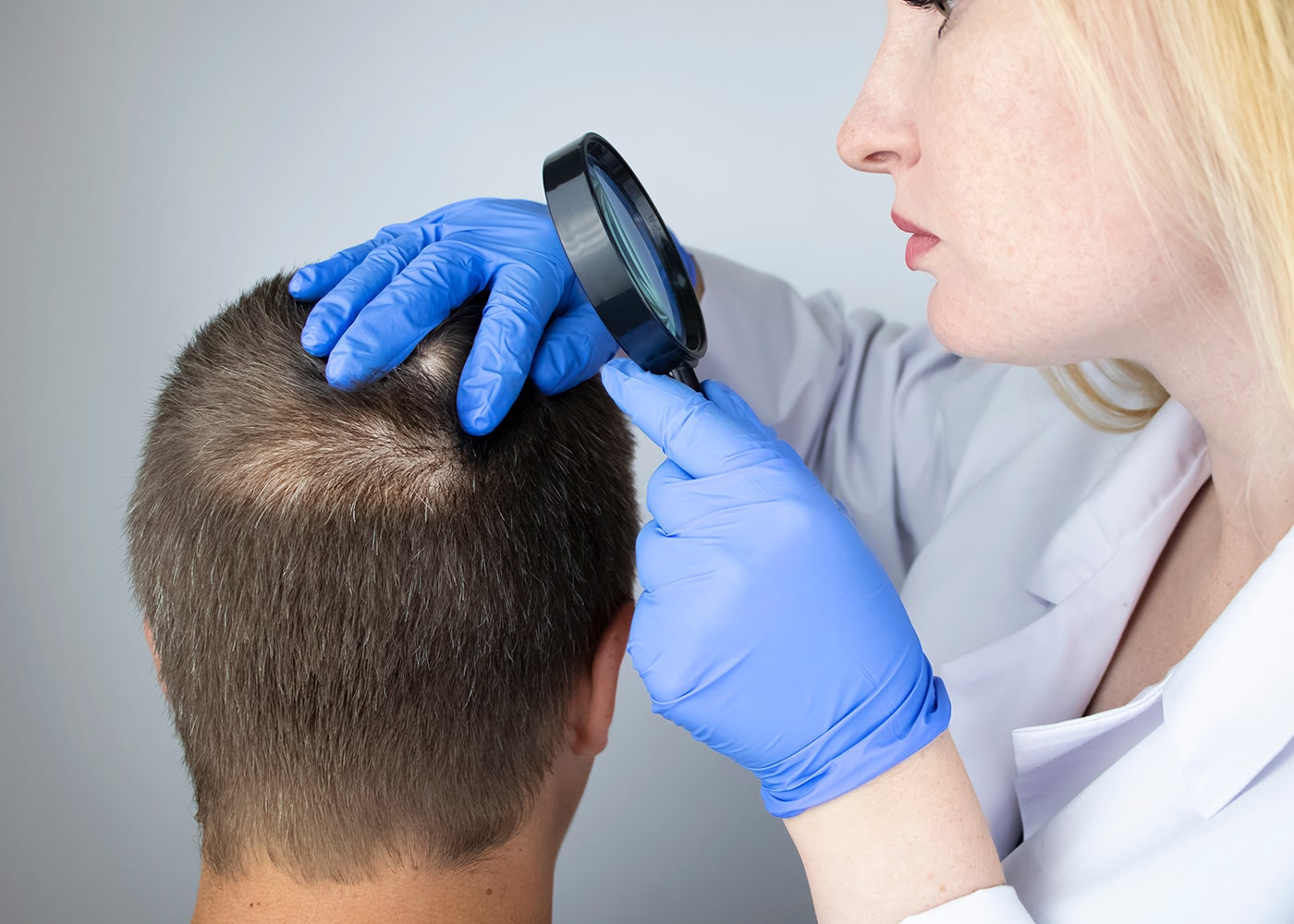
- Choose the clinic where the Trichologist operates, who has studies on the scalp and hair.
- Clean and Professional Environment : high standards of hygiene and have a professional atmosphere.
- Post-Procedure Support: Check if the clinic offers comprehensive aftercare and follow-up .
- Hypothermosol serum: the Clinic that uses this serum to preserve the quality of the follicles works with very high quality.
The clinic Esteayaz in Istanbul- Turkey is one of the best clinics that works with higher quality.
themeht
us nunc id tellus mollis consequat. Maecenas ornare aliquet vestibulum. Nunc accumsan dui vel lobortis pulvinar. Duis convallis odio ut dignissim faucibu